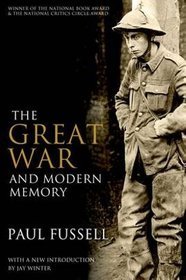
Paul Fussell – Biografia
Paul Fussell był amerykańskim historykiem kultury i literatury, autorem oraz profesorem uniwersyteckim. Jego prace obejmowały różnorodne tematy, od prac naukowych na temat XVIII-wiecznej literatury angielskiej po komentarze dotyczące amerykańskiego systemu klasowego. Był oficerem piechoty Armii USA na froncie europejskim podczas II wojny światowej (103. Dywizja Piechoty USA) i otrzymał zarówno Brązową Gwiazdę, jak i Purpurowe Serce. Najbardziej znany jest z pisania o I i II wojnie światowej. Rozpoczął karierę nauczycielską w Connecticut College (1951–1955), następnie przeniósł się na Rutgers University w 1955 roku, a w 1983 roku do Uniwersytetu Pensylwanii. Uczył także na Uniwersytecie w Heidelbergu (1957–1958) oraz w King's College w Londynie (1990–1992). Jako nauczyciel podróżował z rodziną po Europie w latach 50., 60. i 70., spędzając lata Fulbrighta i urlopowe w Niemczech, Anglii i Francji.
Kim jest – dane osobowe
- Prawdziwe imię i nazwisko
- Paul Fussell Jr.
Gdzie i kiedy się urodził
- Data
- Miasto
- Pasadena
- Region
- Kalifornia
- Kraj
- USA
Śmierć – data i miejsce
- Data
- 2012-05-23
- Miasto
- Medford
- Region
- Oregon
- Kraj
- USA
- Wiek w chwili śmierci
- 88
Skąd pochodzi – narodowość i języki
- Narodowość
- Amerykańska
- Języki
- angielski
Życie prywatne – rodzina
- Partner / małżonek
- Harriette Behringer
- Data ślubu
- 1987
- Rozwód / koniec związku
- 2012-05-23
- Liczba dzieci
- 0
Ważne daty – kalendarium życia
- 1951 – Rozpoczęcie kariery nauczycielskiej w Connecticut College.
- 1955 – Przeniesienie do Rutgers University.
- 1983 – Przeniesienie do Uniwersytetu Pensylwanii.
- 2012 – Śmierć w Medford, Oregon.
O twórczości – czym się zajmuje
- Zawód
- historyk kultury, historyk literatury, autor, profesor uniwersytecki
- Gatunki
- literatura faktu, historia
- O czym pisze (tematy)
- tematyka wojenna, klasa społeczna, literatura
Słynne cytaty autora
I was sprayed with the contents of a soldier's torso when I was lying behind him ... out of the holes in the back of his field jacket flew little clouds of tissue, blood and powdered cloth. Near him, another man raised himself to fire, but the machine-gun caught him in the mouth, and as he fell he looked back at me with surprise, blood and teeth dribbling out onto the leaves.
— wywiad
My main rule is, Thou shalt not be boring.
— wywiad
I am entirely serious when I assert that if I have ever developed into a passable literary scholar, editor, and critic, the credit belongs to the United States Army.
— wywiad
As I say in this new book of mine ["Doing Battle," published 1996], not merely did I learn to kill but I learned to enjoy the prospect of killing. You learn that you have much wider dimensions than you had imagined before you had to fight a war. That's salutary. It's well to know exactly who you are, so you can conduct the rest of your life properly.
— Doing Battle
Every war is ironic, because every war is worse than expected. Every war constitutes an irony of situation, because its means are so melodramatically disproportionate to its ends. Eight million people were destroyed [in World War I] because two persons, the archduke Francis Ferdinand and his consort, had been shot.
— wywiad
Ciekawostki o autorze
- "Fussell" jest wymawiane tak samo jak "muscle".